
Reviewed · SANTIAGO TOURS
Like Locals: Banana Plantation, and Cuscuz with locals
The best part of this four-hour outing is the move from working farmland to a family kitchen. You see Cape Verdean food in its setting, then help prepare cuscuz and fidjós with Mama Luisa and Gustavo in São Lourenço dos Órgãos. That personal welcome gives the day more heart than a simple sightseeing drive.
I like the chance to taste fresh coconut water, local bananas, and sugarcane products, and I like the small group cap of eight. The guide can also explain Cape Verdean history in French, which is useful if you prefer more than a quick photo stop. The main drawback is that the plantation visit may feel more observational than personal if no farmer is available to speak with you.
Key points at a glance
- Santa Cruz’s banana and coconut fields: Walk through the country’s largest plantation and learn how local fruits and plants are used.
- A real cooking session: Prepare traditional cuscuz from cornmeal and fidjós, a banana and wheat treat, with a local family.
- Rum-making traditions: Visit a distillery, taste local rum, and try sugarcane-based products.
- A small group of eight: The limited size gives you a better chance to ask questions and follow the guide’s explanations.
- A morning-to-afternoon outing: Pickup begins at 9 a.m. in Praia, with about four hours on the road and at the stops.
- Good practical value: The $76.57 price includes transportation, pickup and drop-off, guiding, breakfast, and the cooking workshop, but not lunch or personal purchases.
From Praia to Santa Cruz at 9 a.m.
Your day begins with pickup at your accommodation in Praia at 9 a.m. The drive inland to Santa Cruz takes about 30 minutes, giving the guide time to introduce the area and explain some of the local setting before you reach the fields.
This opening transfer matters because the tour is not confined to Praia’s streets. You see more of Santiago Island and spend the morning moving between farms, villages, and valleys. The listed tour also includes a look at daily life through public transport, although the detailed route describes pickup and drop-off by tour transportation, so you should confirm how that part works on your date.
The group limit is eight people. That is a useful middle ground. You get the convenience of organized transport without the feel of a large coach tour, and the guide can usually give more attention to questions about plants, food, and local customs.
The timing is sensible for a half-day plan. You leave early enough to make the most of the morning, but the schedule is not so long that it takes over your whole day in Praia. You can still plan another activity later, though the return time may vary with the pace of the group and the stops.
More days with local families:
- Serra Malagueta: Principal Valley Hike & Lunch with Locals
★ 4.7 · 64 reviews - Santiago Island: Banana Plantation, Natural Park & Workshop with a local family
★ 5.0 · 10 reviews - Praia: Guided Historic Walking Tour & Lunch with Locals
★ 3.8 · 9 reviews
Walking through Santa Cruz’s banana and coconut plantation
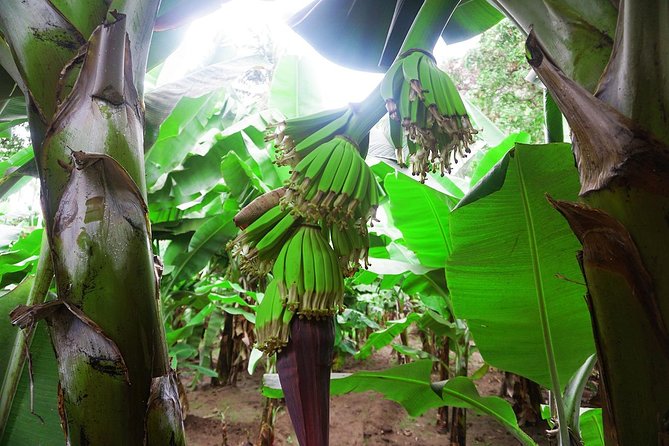
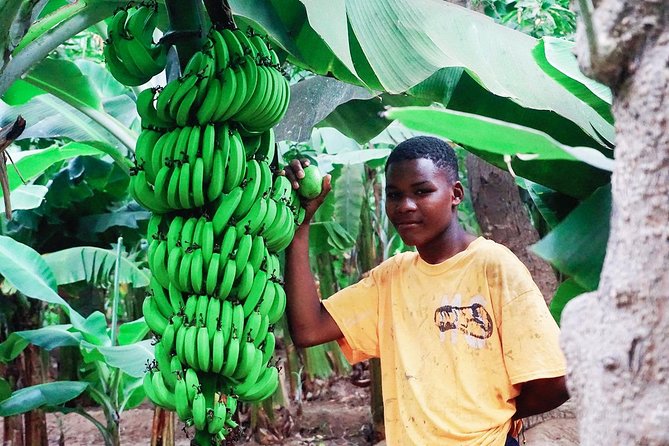
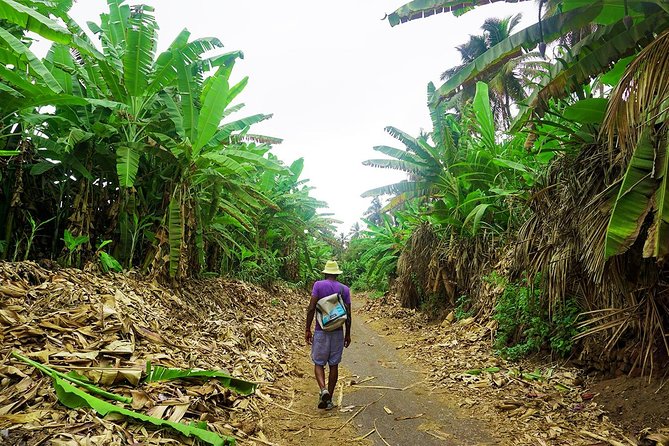
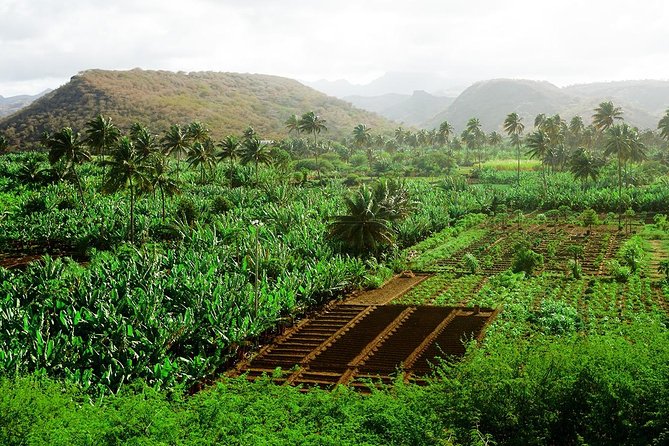
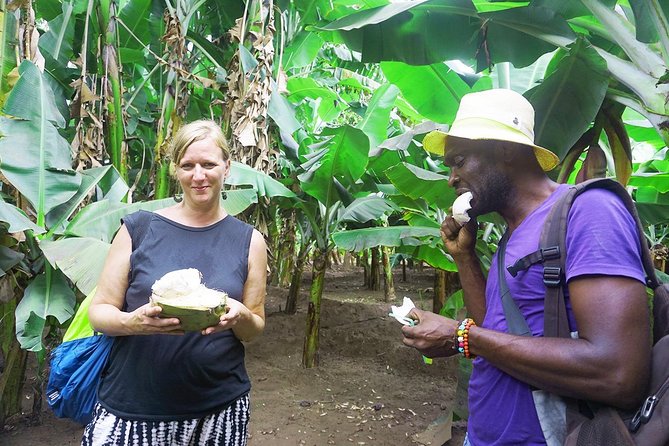
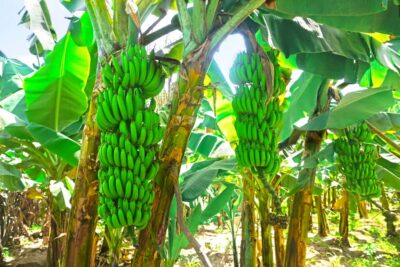
Santa Cruz is home to the country’s largest banana and coconut plantation. The visit lasts about an hour and centers on a walk through the agricultural fields, where your local guide explains the different fruits and plants growing there.
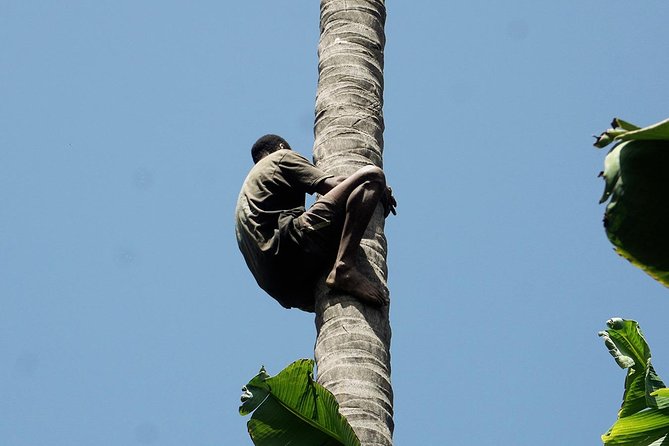
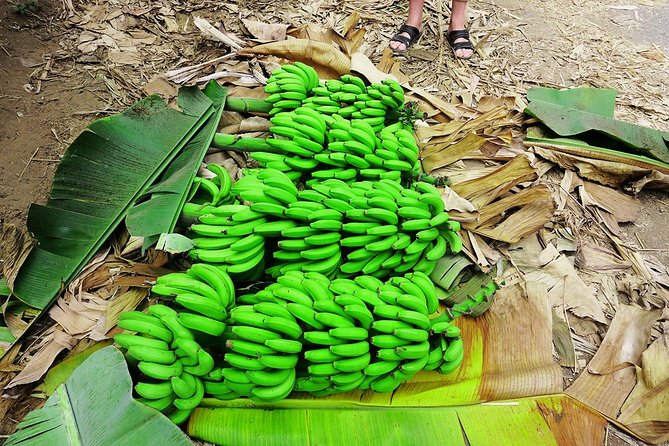
This is one of the tour’s more useful stops if you want to understand how food reaches Cape Verdean tables. Bananas and coconuts are not just scenery here. They are working crops, and the guide can point out their practical uses and explain the varieties found on the plantation.
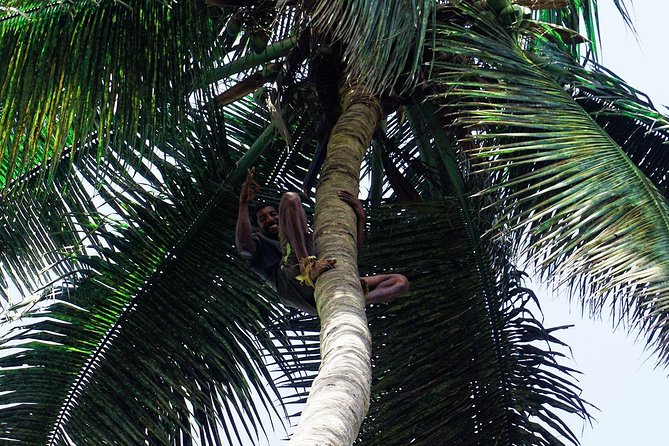
If available, you can buy fresh coconut water and organically grown local bananas at your own expense. Bring a little cash if you want to take advantage of that option, since the price and payment method are not specified.
The plantation stop has one clear limitation. You are shown the fields, but a farmer may not be present to speak with you. If direct contact with agricultural workers is important to you, this is worth knowing before you book. You will still get a guided walk, but the experience may feel more like an introduction to the farm than a working conversation with the people who cultivate it.
Wear shoes that are comfortable for walking through agricultural areas. The information does not specify the ground conditions, so practical footwear is a safer choice than sandals or dress shoes. You may also want sun protection, since the exact amount of shade is not stated.
Meeting a family in São Lourenço dos Órgãos
The most personal part of the tour takes place in nearby São Lourenço dos Órgãos, also referred to as Orgãos. Here, you visit a local family and share food, conversation, and a cooking workshop.
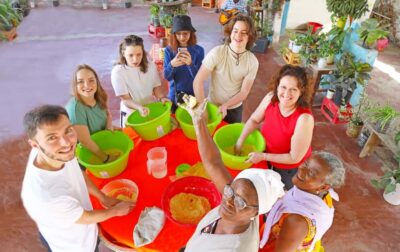
Mama Luisa and her husband, Gustavo, are named as the hosts. Their welcome is central to the day. Instead of simply sampling a finished dish, you learn how two Cape Verdean specialties are made and see how food connects the plantation stop with home life.
The first is cuscuz, a traditional cake made from cornmeal. The second is fidjós, made with banana mixed with wheat. The workshop is included in the price, along with breakfast, so this is more than a quick tasting. You get a practical look at ingredients and preparation while spending time with people who cook these foods as part of local life.
I especially like this format because it gives you something to do. Food demonstrations can sometimes leave you standing at the edge of a kitchen, watching someone else work. Here, the stated focus is a workshop, so you should expect a more hands-on session, though the exact tasks will depend on the family and the group.
The meal also carries a cultural lesson. Cuscuz and fidjós are not presented as isolated restaurant dishes. They are linked to corn, bananas, wheat, and the everyday knowledge of preparing food at home. That makes the stop more memorable than a standard snack break.
Breakfast is included, but lunch is not. Since the activity lasts roughly four hours and includes food at the family home, many people may find the morning meal enough for the tour itself. Still, plan for lunch after returning to Praia, and budget for any extra food or drinks you choose to buy.
Rum, sugarcane, and the island’s working traditions
The outing also includes a visit to a rum distillery with tastings. The tour summary connects this part with Cape Verde’s rum-making traditions and sugarcane products.
This gives the day a useful thread. At the plantation, you see crops. At the distillery, you learn how sugarcane becomes a finished product. At the family home, you work with local ingredients in a kitchen. The stops cover farming, production, and food without trying to turn the morning into a long museum visit.
The information does not name the distillery or specify how many samples are included. The tastings are part of the experience, but personal expenses are not included, so set aside money for anything beyond the included food and tasting. If you do not drink alcohol, the agricultural and cooking parts still give the tour plenty of substance, though you should ask the guide what nonalcoholic alternatives are available.
The rum stop may be especially appealing if you want to understand Cape Verde through its traditional products rather than only through monuments and viewpoints. The guide can place the process in a wider local context, including the role of sugarcane and the customs around serving and tasting it.
A few more Praia half-days to weigh up
- Santiago: Landscapes, Street Art, and Markets Day Trip
★ 4.8 · 316 reviews - From Port of Praia: Island Tour for Cruise Ship passengers
★ 4.5 · 190 reviews - Praia & Cidade Velha: Guided City Tour
★ 4.8 · 80 reviews - Praia: Baobab Mysterious Tree, Green Valley & Old City Hike
★ 4.8 · 53 reviews
The drive back through rocks and valleys
After the cooking workshop, you return toward Praia by a scenic route through rocks and valleys. The guide provides local history and points out the surroundings during the drive.
This final section is not simply dead time between stops. It gives you a different view of Santiago Island and lets the guide connect the places you have visited. The morning begins with cultivated fields, moves into a village home, and ends with a road through more rugged terrain.
The drive back takes about 30 minutes according to the schedule, though the total tour length is approximate. That is another reason to avoid booking a second activity with a strict start time immediately afterward.
If you enjoy guided interpretation, this ride can add real value. A road becomes more interesting when you know why a village matters, how the land is used, or what local traditions continue there. If you prefer long walks or formal historic sites, keep your expectations in check. This is primarily a food, farming, and community outing, not a major monument tour.
What the $76.57 price really covers
At $76.57 per person, this is not the cheapest way to see a banana plantation. But the comparison is not quite fair if you count only the fields.
The price includes:
- Pickup and drop-off
- Transportation
- A guide
- Breakfast
- The cuscuz and fidjós workshop
- The small-group format, with a maximum of eight people
- Rum distillery tastings as part of the planned experience
Lunch and personal expenses are extra. Fresh coconut water, bananas, additional purchases, and any food or drinks beyond the included breakfast are not covered.
I see the value in the combination. You are paying for the transport out of Praia, the guide’s explanations, access to a family setting, and a cooking activity that would be difficult to arrange on your own. The small group also helps justify the price, especially if you want to ask questions or need explanations in French.
The value is weaker if you only want a quick plantation visit and a scenic drive. In that case, a shorter or less personal outing may suit you better. This tour earns its price through the family kitchen and the mix of food, farming, and rum-making, not through a long list of major sights.
The tour is booked about 10 days ahead on average. That is a useful planning clue, particularly if your stay in Praia is short. Booking early also matters if you want a specific date, since the group is capped at eight.
Who will enjoy this half-day experience
I would recommend this tour to you if you want contact with everyday Cape Verdean food and family life. The cooking session is the strongest reason to choose it, especially if you like learning by doing rather than moving from one photo stop to another.
It also suits people who want a manageable outing from Praia. Four hours is long enough to leave the city and see rural areas, but short enough to fit into a compact Santiago itinerary.
Food lovers will get the most from the visit. You learn about cuscuz and fidjós, taste local products, and see how bananas, coconuts, and sugarcane fit into the day. People interested in plants will also appreciate the guide’s explanation of the different uses of native crops.
French-speaking participants may find the tour particularly comfortable, since one review specifically praises the guide’s French and his explanations of the country’s past. The guide’s name is not provided, so do not book expecting a particular named guide.
This is less suitable if you want a formal rum-focused tour, a long plantation walk, or a detailed visit with agricultural workers. The plantation is guided, but a farmer may not be available to talk with you. It is also not the right choice if you need lunch included.
The activity states that most people can participate and that it is near public transportation. No detailed accessibility information is given, so ask before booking if you have mobility concerns or need specific arrangements for the plantation walk and family home.
Practical tips for a smoother day
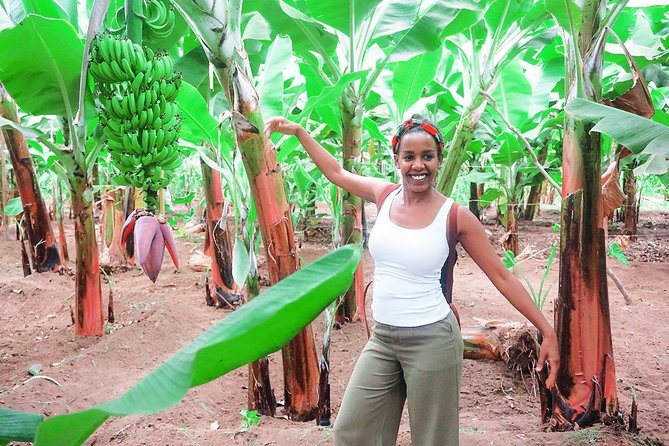
Wear comfortable clothes and shoes suitable for walking through fields. The tour includes outdoor time in Santa Cruz and a drive through rural areas, so bring sun protection and water even though the food plan includes breakfast.
Keep some money for personal purchases. Coconut water, bananas, and other local products may be available at your own expense, but the tour does not state exact prices or accepted payment methods.
Tell the provider about language needs when booking. A French-speaking guide has been praised, but language availability may depend on the date and guide assigned.
Watch the calendar around public holidays. A French-language comment notes that a holiday affected the day’s arrangements, though the overall experience retained its charm. This suggests you should confirm the operating details if your visit falls on a national or local holiday.
The tour offers free cancellation if you cancel at least 24 hours before the 9 a.m. start time. Changes or cancellations within 24 hours are not refundable, and the cutoff uses local time.
FAQ
How long is the tour?
The experience lasts approximately four hours, including the drives from Praia and the stops in Santa Cruz and São Lourenço dos Órgãos.
What time does the tour start?
Pickup begins at 9 a.m.
Is pickup from my accommodation included?
Yes. Pickup and drop-off at your accommodation in Praia are included.
What is the maximum group size?
The activity accepts a maximum of eight people.
What is included in the price?
Transportation, pickup and drop-off, guiding, breakfast, the cuscuz and fidjós workshop, and the planned rum distillery tasting are included.
Is lunch included?
No. Lunch and personal expenses are not included.
What will I do at the plantation?
You will walk through the banana and coconut fields in Santa Cruz while the guide explains the fruits and plants grown there. Fresh coconut water and local bananas may be available for purchase.
What foods will I learn to prepare?
You will learn how to prepare cuscuz, a cornmeal cake, and fidjós, made with banana and wheat.
Can most people participate?
The activity states that most people can participate. It also notes that the tour is near public transportation, but detailed accessibility information is not provided.
What is the cancellation policy?
You can cancel at least 24 hours before the start time for a full refund. Cancellations or changes made within 24 hours are not accepted for a refund.
Should you book this tour?
Book it if you want a small-group introduction to rural Santiago, with a family cooking session at its center. Mama Luisa and Gustavo’s hospitality, the cuscuz and fidjós workshop, and the mix of plantation and rum-making visits give the four hours a clear sense of place.
Skip it if your priority is a long farm visit with direct contact with a grower, a full lunch, or a highly structured distillery tour. At $76.57, the tour is best value when you take part in the food workshop and appreciate the personal setting, not when you treat it as a simple sightseeing transfer.
Just added around Praia
- Praia: Plateau and Cidade Velha Guided Tour★ 5.0 · 3 reviews
- Praia City Tours★ 3.4 · 3 reviews
- Best of Santiago Island: Cidade Velha, Workshop & Tarrafal Beach Tour★ 4.5 · 3 reviews
- Cape Verde: Best Hikking Trails of Santiago Island – 6 Days★ 5.0 · 3 reviews
- From Praia: Full-Day Guided Fogo Island Tour★ 4.2 · 3 reviews
- Tarrafal Bay Boat Trip and Beach Day★ 4.4 · 3 reviews
- Hiking Águas Belas Cave★ 4.5 · 3 reviews
- Santiago Island: Private Airport Transfer to Praia or Vice Versa★ 5.0 · 3 reviews
Santiago Tours, compared.
Santiago Island Tour with Tastings and Tarrafal Beach
Read our review →
Santiago: Landscapes, Street Art, and Markets Day Trip
Read our review →
From Port of Praia: Island Tour for Cruise Ship passengers
Read our review →
Santiago Island Tour: Meet with a Local Family & Tarrafal Beach
Read our review →
Island tour with German-speaking guide for cruise guests
Read our review →
From Praia: Banana Plantation Tour and Cuscuz Workshop
Read our review →
Santiago Island: Highlights of Cidade Velha with Local Guide
Read our review →Browse the lists this tour appears in