
Reviewed · LOCAL LIFE & CULTURE EXPERIENCES
Sal Island: Catxupa Cooking Class with a local family
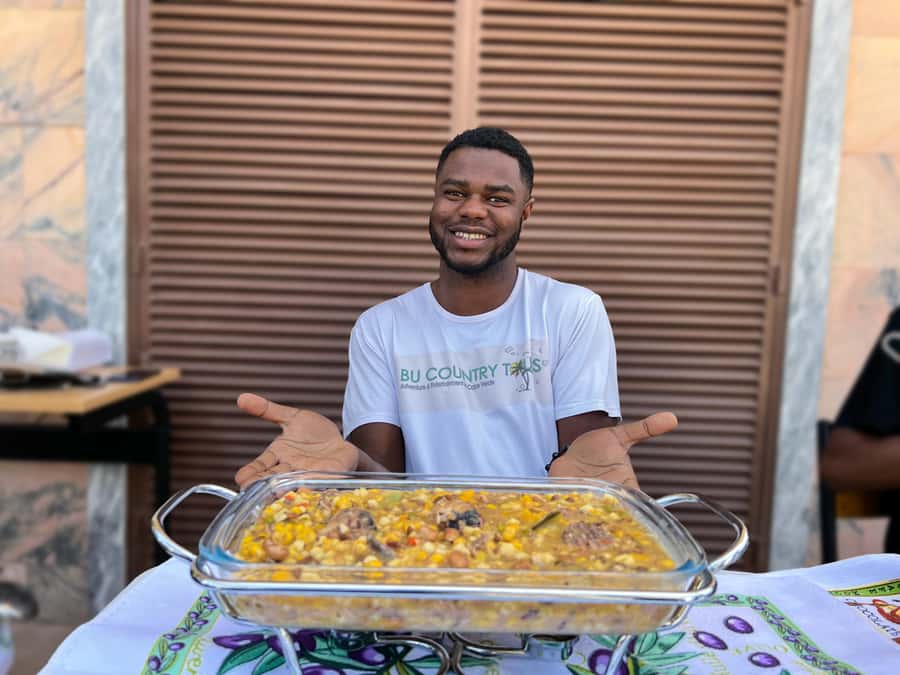
Cape Verde’s most famous dish is not something you simply order and forget. In this two-hour Catxupa class, you learn how corn, beans, and meat or fish become a dish tied to everyday Cape Verdean life. The cooking happens with a local family, so the meal comes with conversation, stories, and a look at home life on Sal.
I like two things right away. First, you get a recipe you can try in your own kitchen, rather than a one-off tasting. Second, the small group, limited to 10 people, should make it easier to ask questions and take part. The price is also fair at $41 per person, since it includes ingredients, the cook, the meal, and transport from your hotel.
The main consideration is the short schedule. Two hours gives you a focused introduction, not a long food tour or a full day of Cape Verdean culture. Pickup times also matter, so you need to wait in your hotel lobby 10 minutes before departure.
Key points about the Sal Catxupa class
- Cook Cape Verde’s signature dish: Learn the basic method for making Catxupa with corn, beans, and your choice of meat or fish.
- Meet a local family: The experience takes place in a family setting, giving the meal a personal and direct connection to Cape Verdean life.
- Expect more than cooking: The activity can include stories about Cape Verde, and one recent session also included a short dance lesson.
- Small group format: No more than 10 people take part, a useful size for hands-on instruction.
- Languages for the lesson: Guides and cooks can provide the experience in English, French, or Portuguese.
- Simple logistics: Hotel pickup and return are included, along with all ingredients and the meal you prepare.
Why Catxupa is the right dish to learn
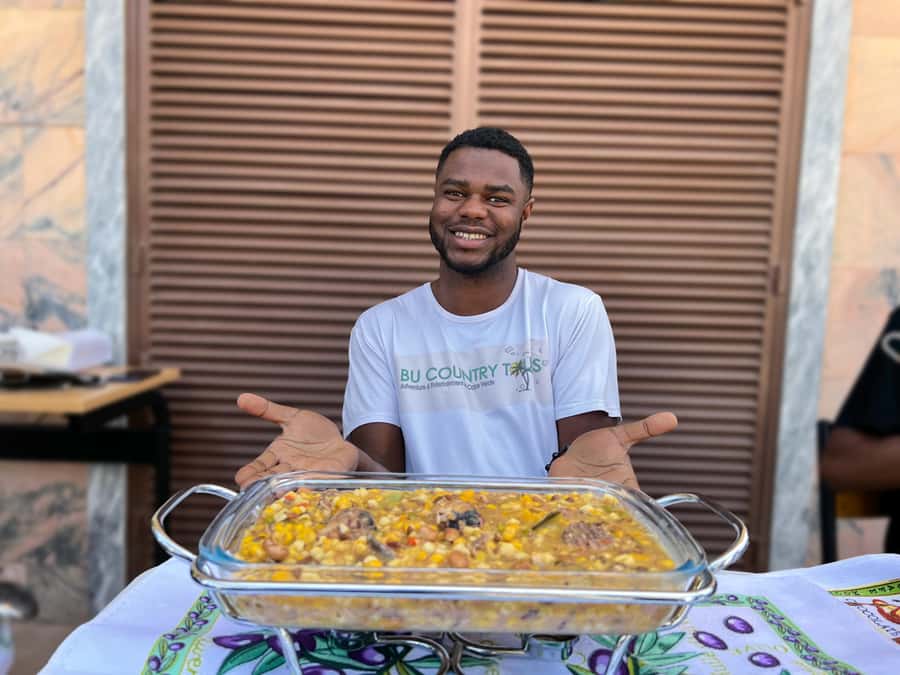
Catxupa, also spelled cachupa in some Cape Verdean contexts, is built from plain, filling ingredients. Corn and beans form the base, while meat or fish adds the main protein. That makes it a useful dish to study because it tells you something about Cape Verdean cooking without requiring a long list of rare ingredients.
I like cooking classes that explain how a dish fits into daily life. This one is not presented as a polished restaurant demonstration. You are learning a food connected to families, routines, and local tradition. The value comes from seeing how a national favorite is made in a real domestic setting.
The recipe should also be practical once you get home. You are not learning a dish that depends on a special piece of equipment or a difficult restaurant technique. The supplied information describes Catxupa as a protein-packed meal that you can recreate at home, though the exact ingredient quantities and cooking method are not specified in advance.
That last point is worth noting. If you need a precise printed recipe, ask the local cook to write down measurements or clarify substitutions during the class. The activity promises a recipe you can try at home, but no formal recipe booklet is listed.
More days with local families:
- Santiago Island Tour: Meet with a Local Family & Tarrafal Beach
★ 5.0 · 127 reviews - From Praia: Banana Plantation Tour and Cuscuz Workshop
★ 4.8 · 75 reviews - Serra Malagueta: Principal Valley Hike & Lunch with Locals
★ 4.7 · 64 reviews
Arriving at a Cape Verdean family home
Your hotel pickup removes one of the usual problems with a home-based activity: finding the address. You wait in the lobby 10 minutes before the scheduled pickup, then travel to the local family hosting the session. Since hotel pickup and drop-off are included, the $41 price covers more than the instruction itself.
The setting is important. A cooking lesson in a restaurant kitchen can be useful, but a family home gives the food a stronger connection to ordinary Cape Verdean life. You are not only learning what goes into Catxupa. You are seeing the dish in the place where a local family would naturally prepare and share food.
The class is limited to 10 participants. That is small enough to keep the lesson from feeling like a large demonstration, though the experience will still depend on how many people attend your particular session. If you want plenty of hands-on time, stay close to the preparation area and ask to help with each step.
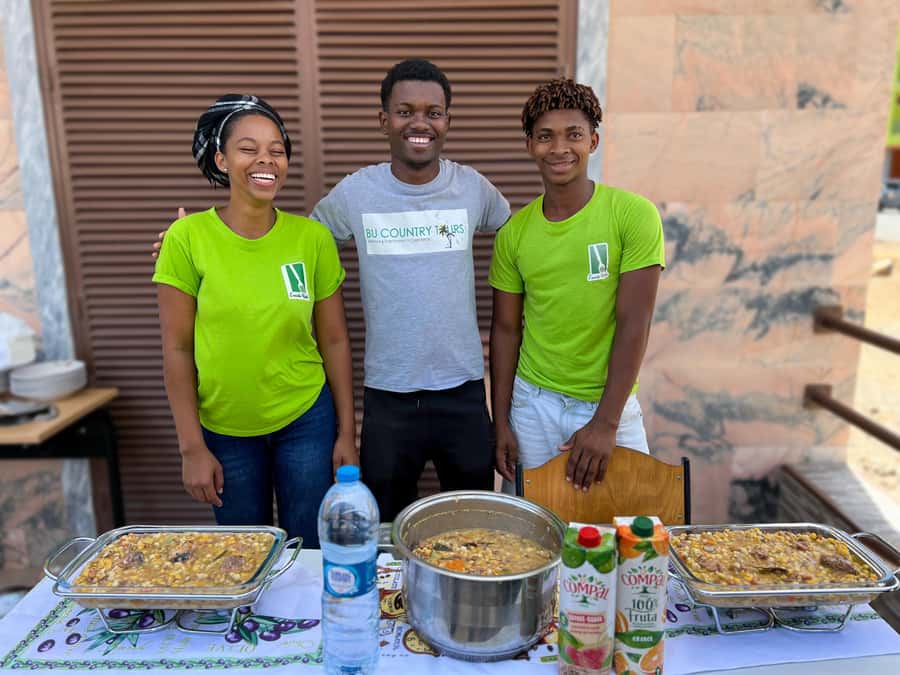
The hosts are part of the appeal. Melissa has been singled out for being welcoming and professional, while Alejandro has been praised for his guiding. The host can vary, but those names give you an idea of the personal approach available during the activity.
Learning to make Catxupa step by step
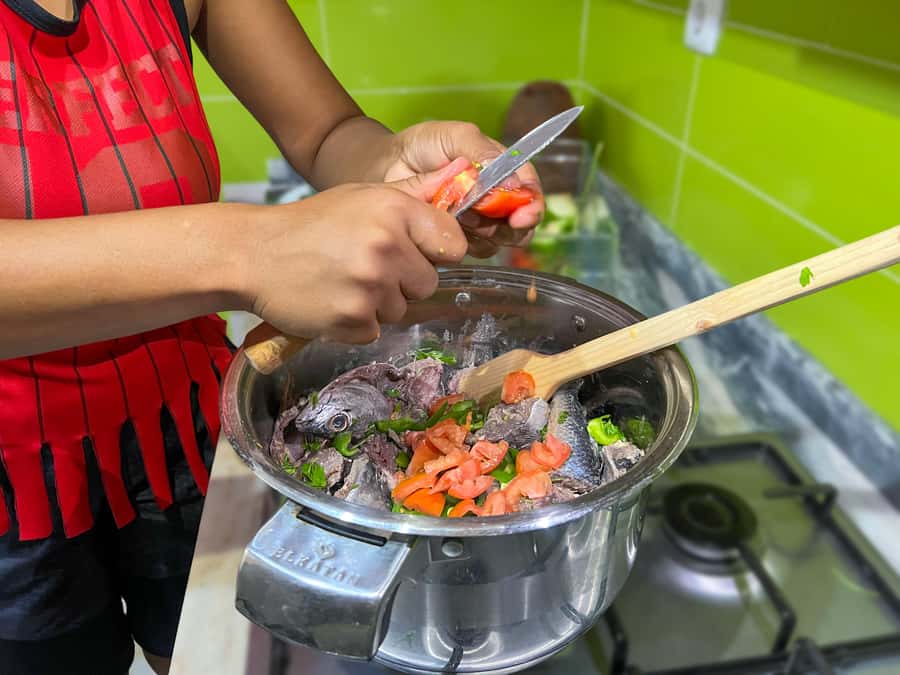
The core of the activity is the preparation of Catxupa. You work with the ingredients supplied for the class, learning how the corn and beans form the base and how meat or fish changes the finished dish.
The description does not provide a detailed cooking sequence, so I would not book this expecting a technical master class in timing, knife work, or Cape Verdean regional variations. Instead, think of it as a guided introduction. You learn the food’s main components, watch how they come together, and take part in making the meal you will later eat.
That approach suits you if your goal is to understand a national dish and bring home a workable idea. It may feel brief if you already cook often or want several dishes in one class. The two-hour duration is enough for one focused recipe, but not for a broad survey of Cape Verdean cuisine.
The choice of meat or fish gives the dish some flexibility. It also lets the cook explain how Catxupa can be adapted. Since the available information does not specify which protein is served at each session, ask when booking if you have a particular preference or dietary concern.
I especially like that the food is not treated as a museum piece. Catxupa is tied to the daily experiences of Cape Verdean people, and the class presents it as something made and eaten, not just described. That makes the cooking lesson more useful than a quick sampling of an unfamiliar dish.
Stories, culture, and perhaps a little dancing
The class reaches beyond the pot. You can hear about Cape Verdean traditions and the history connected to the food. One recent experience also included a short dance lesson, adding a light cultural moment to the cooking.
This is where the family setting earns its keep. Food gives you a natural way into conversation. You can ask about how Catxupa is prepared, why it matters, and how Cape Verdean food fits into family life. The available languages are English, French, and Portuguese, so you can choose the option most comfortable for your group.
Do not assume that every session will include exactly the same extras. The class is centered on Catxupa, and the dance lesson is an example of what may be added rather than a clearly promised part of every departure. The same applies to the amount of historical discussion. You should expect cultural context, but the balance between cooking, conversation, and entertainment can vary.
That flexibility is normal for a home-based activity. It can make the experience feel less scripted, but it also means you should not compare it with a tightly timed museum tour. If you prefer a fixed schedule with every minute planned, this may feel informal. If you like room for personal exchange, the format works in its favor.
A few more Cape Verde half-days to weigh up
- Mindelo: creol cooking with Catia
★ 4.8 · 70 reviews
Sitting down to eat what you made
The meal is included, and it is the payoff for the preparation. You sit down with the Catxupa made during the class and taste the combination of corn, beans, and meat or fish as a complete dish.
A shared meal matters here. You are not simply handed a plate at the end. You have seen the ingredients, helped prepare them, and heard why the dish matters. That connection makes the food easier to remember and gives you a clearer sense of Cape Verdean gastronomy.
The dish has been described as delicious and excellent by people who took part, but your own impression will depend on your taste and the exact preparation. Catxupa is hearty rather than delicate. If you prefer small portions, light food, or a class built around several refined dishes, this may not be your ideal match.
For most people, though, the meal is a strong part of the value. At $41, you receive instruction, ingredients, local hosting, food, and transport. A restaurant meal alone would not provide the same personal contact or the chance to learn the recipe.
How the $41 price compares with the experience
The price is reasonable because several costs are bundled together. You are paying for the cook’s time, all Catxupa ingredients, the meal, a guide, and hotel transportation in both directions.
The small group also improves the value. A 10-person limit does not guarantee private instruction, but it keeps the activity more personal than a large group food demonstration. You are paying for access to a local household and a cultural exchange, not just for an hour of cooking advice.
The two-hour length keeps the cost from becoming a major part of your Sal budget. It is also easy to fit around sightseeing or a beach day. If you have limited time on the island, this is a compact way to add a food and culture activity without committing half a day.
The limitation is that the class covers one principal dish. You should not expect a full Cape Verdean cooking course or a long market visit at this price. Its value is strongest if Catxupa is the dish you want to understand and if meeting a family matters to you.
Flexible booking terms add practical value. You can reserve now and pay later, and cancellation is available up to 24 hours ahead for a full refund. Starting times depend on availability, so check the schedule before building the rest of your day around the class.
Who will get the most from this activity
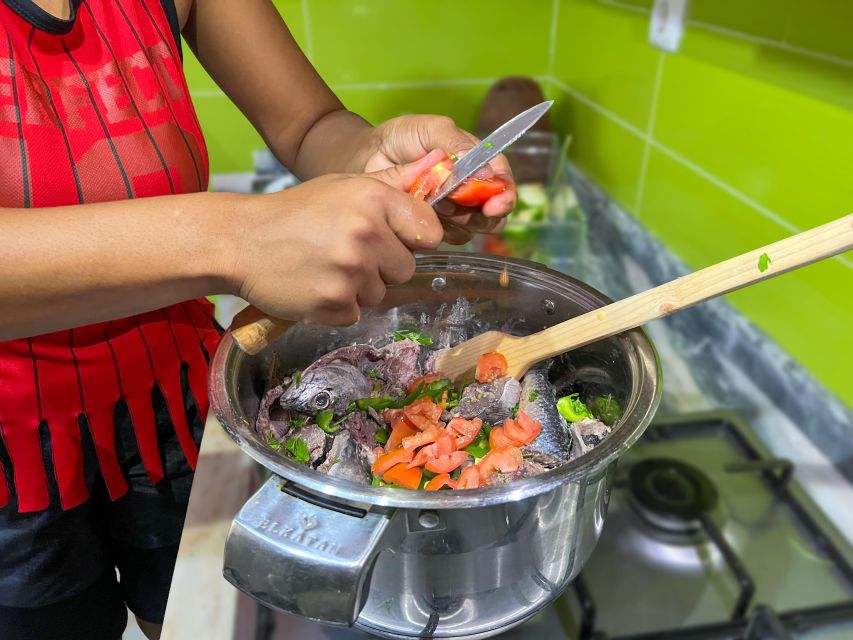
I would recommend this class to you if you want a direct connection with local life while staying on a short schedule. It suits couples, families, and small groups who enjoy eating what they have helped prepare.
It is also a good choice if you like taking food memories home. Many holiday meals disappear into the blur of a trip. A Catxupa recipe gives you something concrete to repeat later, especially if you take notes during the lesson.
The class should appeal to first-time visitors who want more than beaches and hotel dining. Sal is often associated with sun, sand, and water activities. This experience adds a household setting and a national dish to that picture.
You may want to choose another activity if your main goal is advanced cooking instruction, a wide range of dishes, or a long cultural tour. The program is short and focused. Its strength is personal contact, not variety.
Language should not be a major barrier if you select English, French, or Portuguese when arranging the experience. The listed guide languages make the class accessible to a broad range of visitors, though the quality of the discussion will always be best in the language you understand most easily.
Practical advice before you go
Wait in your hotel lobby 10 minutes before the scheduled pickup. This is a small detail, but missing the vehicle would be a poor start to a two-hour activity.
Wear something comfortable for cooking and choose clothing you do not mind wearing around food. The activity description does not give a dress code, so simple holiday clothes are the sensible choice.
If you have allergies, dietary restrictions, or a strong preference for meat or fish, ask about the ingredients before the class. The activity includes all ingredients, but no specific allergy or vegetarian arrangement is stated.
Bring your phone or a small notebook if you want to remember the method. The class is intended to leave you with a recipe to try at home, and writing down quantities or taking permitted photos can help. Ask before photographing people or the family home.
Keep your schedule loose after the activity. The advertised duration is two hours, but a home meal and conversation can feel less rigid than a timed attraction. Your return transfer is included, so you do not need to arrange your own way back to the hotel.
My verdict on the Sal Catxupa cooking class
I like this experience because it gives you a real reason to enter local family life: food. The cooking is focused, the group is small, and the price includes the practical pieces that often add cost, including ingredients, the meal, and hotel transfers.
The strongest parts are the personal welcome, the chance to learn Cape Verde’s best-known dish, and the added cultural details such as stories and, on some sessions, a short dance lesson. Melissa and Alejandro are names to look out for, based on the guides associated with especially warm and professional sessions.
Book it if you want a friendly, useful introduction to Cape Verdean food and do not need a long or highly technical class. Skip it if you want a full-day food tour, several recipes, or a formal culinary school setting. For most visitors on Sal, this is a good-value two-hour addition to a beach-heavy itinerary, with a dish you can carry home in more ways than one.
FAQ
How long does the Catxupa cooking class last?
The activity lasts two hours.
How much does the experience cost?
The listed price is $41 per person.
What is Catxupa?
Catxupa is a well-known Cape Verdean dish made with corn, beans, and a choice of meat or fish.
Are hotel transfers included?
Yes. Hotel pickup and drop-off are included. You should wait in your hotel lobby 10 minutes before the scheduled pickup time.
How many people can join the class?
The class is limited to 10 participants.
What languages are available?
The experience is available with live guidance in English, French, or Portuguese.
Is the meal included?
Yes. The activity includes all Catxupa ingredients, the local cook, and the meal you prepare.
Can I cancel the booking?
Yes. You can cancel up to 24 hours in advance for a full refund. You can also reserve now and pay later.
More Workshops in Cape Verde
- Surf Lessons
★ 5.0 · 60 reviews - Sal: Surf Lesson
★ 4.7 · 48 reviews - Sal: Kizomba Group Class – Santa Maria, Cape Verde
★ 4.5 · 28 reviews - Kite Surf Lessons on Sal Island
★ 5.0 · 17 reviews
Just added around Cape Verde
- Praia: Plateau and Cidade Velha Guided Tour★ 5.0 · 3 reviews
- Praia city to the airport.★ 5.0 · 3 reviews
- Praia City Tours★ 3.4 · 3 reviews
- Best of Santiago Island: Cidade Velha, Workshop & Tarrafal Beach Tour★ 4.5 · 3 reviews
- Facial treatment★ 5.0 · 3 reviews
- Mindelo Cultural: city tour with live music and dance class★ 5.0 · 3 reviews
- Cape Verde: Best Hikking Trails of Santiago Island – 6 Days★ 5.0 · 3 reviews
- From Praia: Full-Day Guided Fogo Island Tour★ 4.2 · 3 reviews
Local Life & Culture Experiences, compared.

Santiago Island Tour: Meet with a Local Family & Tarrafal Beach
Read our review →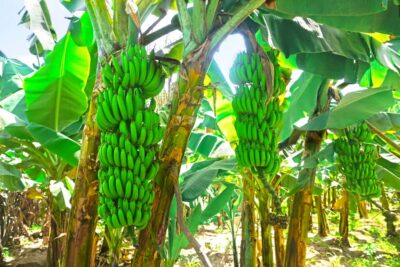
From Praia: Banana Plantation Tour and Cuscuz Workshop
Read our review →
Serra Malagueta: Principal Valley Hike & Lunch with Locals
Read our review →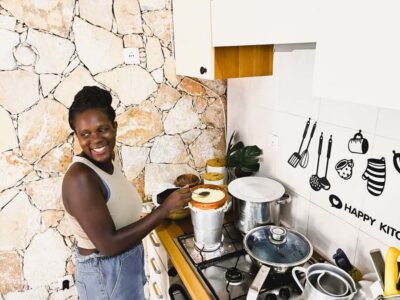
Santa Maria City Tour & Cuscuz Tasting with a Local Family
Read our review →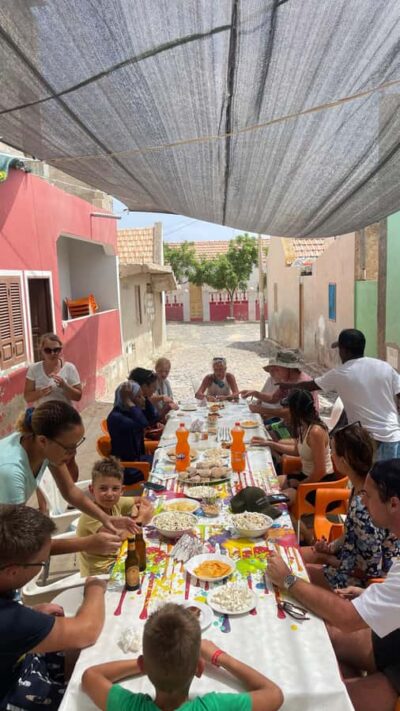
Boa Vista Reef Snorkeling in Gatas Bay / Aperitif with Locals
Read our review →
From Tarrafal: Serra to Principal Hike & Lunch with locals
Read our review →
From Tarrafal: Verdant Valley Hike & Lunch With Locals
Read our review →
Full-Day São Vicente Island Experience with a Local Guide
Read our review →Browse the lists this tour appears in