

Reviewed · SANTIAGO TOURS
Santiago: Calabaceira Valley Trek & Visit to Cidade Velha
Calabaceira Valley gives you a side of Santiago that Praia cannot: a green, rural corridor of sugar cane, banana trees, mangoes, cassava, baobabs, and birdlife. You then turn from nature to Cidade Velha, the first European-built city in sub-Saharan Africa and a UNESCO World Heritage Site.
I like the pairing of a one-way valley walk with a proper history stop. I also like the local touch at the small rum distillery, where the route connects you with farmers and sugar-cane production rather than keeping you on a bus all day. The main caution is the word easy: the trail is generally rated easy, but the opening section is narrow and tilted, and one booking reportedly became much longer than planned.
Key points at a glance

- A downhill route through Calabaceira Valley: The trail covers about 5 km, with roughly two hours of walking and around 186 meters of descent.
- A working rural setting: Sugar cane, mango, banana, and cassava fields give the valley a practical, lived-in feel.
- A local rum stop: You can see how cane connects to the island’s small-scale farming and distilling traditions.
- Cidade Velha’s major sights: The route includes São Francisco Convent, Banana Street, Nossa Senhora do Rosário church, the old slave market, Sé Catedral ruins, and São Filipe Fortress.
- A useful guide-led history lesson: Guides may speak English, French, Portuguese, or Spanish, with past guides including Katia, Mario, Ivana, Soraya, and Riccardo.
- A half-day with transport included: Hotel pickup and drop-off from Praia make this easier than arranging separate taxis and a local guide.
From Praia to the green valley
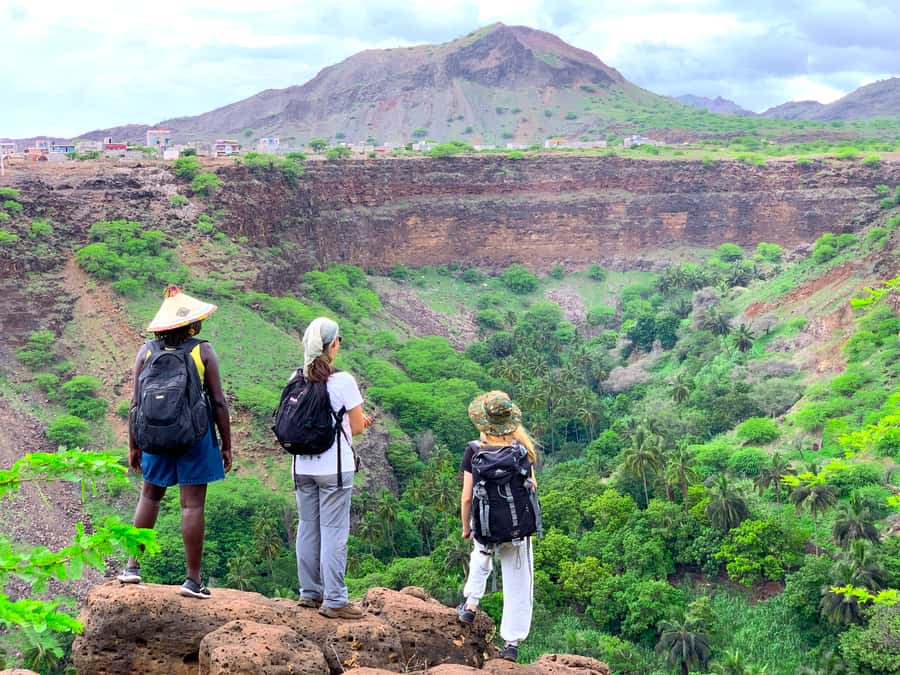
The day begins with pickup at your hotel in Praia. You are asked to wait in the lobby 10 minutes before the scheduled time, and the driver carries a sign with your last name. That small detail matters in a place where meeting points can otherwise become vague.
The ride takes you toward the village of Calabaceira. From there, the trek starts near the top of the valley and works downhill. The published trail figures are about 5 km, two hours of walking, a maximum elevation of roughly 200 meters, and a low point near 14 meters. The total descent is about 186 meters, while the elevation gain is minimal.
That profile tells you more than the word easy. You are not facing a long climb, but downhill walking can still tax knees and ankles. The path is described as safe overall, with a medium tilt and a narrow section at the beginning. Wear proper walking shoes, not thin sandals, and take the advice about hiking trousers seriously from August through November.
The tour information also describes the trek as lasting three hours, while the trail details give about two hours of actual walking. The difference likely allows time for stops, explanations, and the distillery visit. Still, allow extra time in your day. One April booking took almost eight hours, far beyond the planned four, after older members of the group found the steep, rocky section harder than expected.
More Hiking Tours in Santiago
- Serra Malagueta: Principal Valley Hike & Lunch with Locals
★ 4.7 · 64 reviews - Praia: Baobab Mysterious Tree, Green Valley & Old City Hike
★ 4.8 · 53 reviews - Santiago: Monte Tchota Natural Park to Pico d’Antónia Hike
★ 4.8 · 43 reviews
Calabaceira Valley and its baobabs
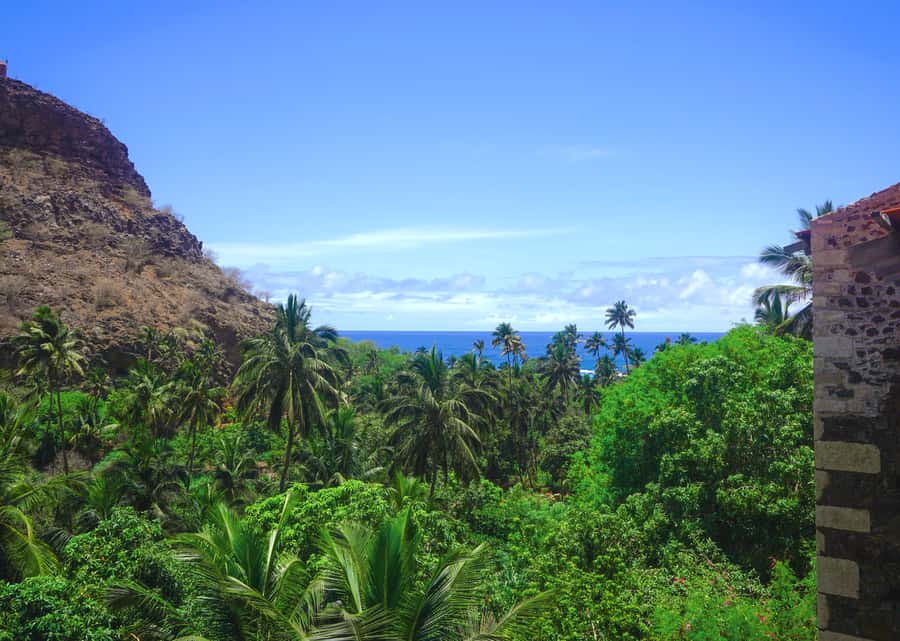
The valley is the visual heart of the outing. As you move into the lower ground, vegetation replaces the dry, open feel found in much of Santiago. You pass fields and trees linked to everyday farming, including sugar cane, mango, cassava, and banana.
The baobabs add a memorable historical footnote. These trees were noted by Charles Darwin, and your guide can place them within the island’s natural story. The supplied information also links the valley to escape routes used by enslaved people, so the walk is not just a nature break. The route carries traces of both rural life and a painful chapter in Cape Verdean history.
Wildlife can be part of the walk, though it is not guaranteed. A January outing recorded kingfishers and monkeys, along with striking trees. That is a good reason to keep your pace measured and your eyes open. This is not a wildlife safari, but the valley gives you a chance to notice local fauna and flora in their setting.
The trail’s one-way design is another plus. You do not retrace your steps, and the descent lets the valley unfold in a natural direction. The tradeoff is that you need to stay with the group and follow the guide’s pace. There is no easy option to turn around and return independently once you have started down.
Meeting farmers at the rum distillery
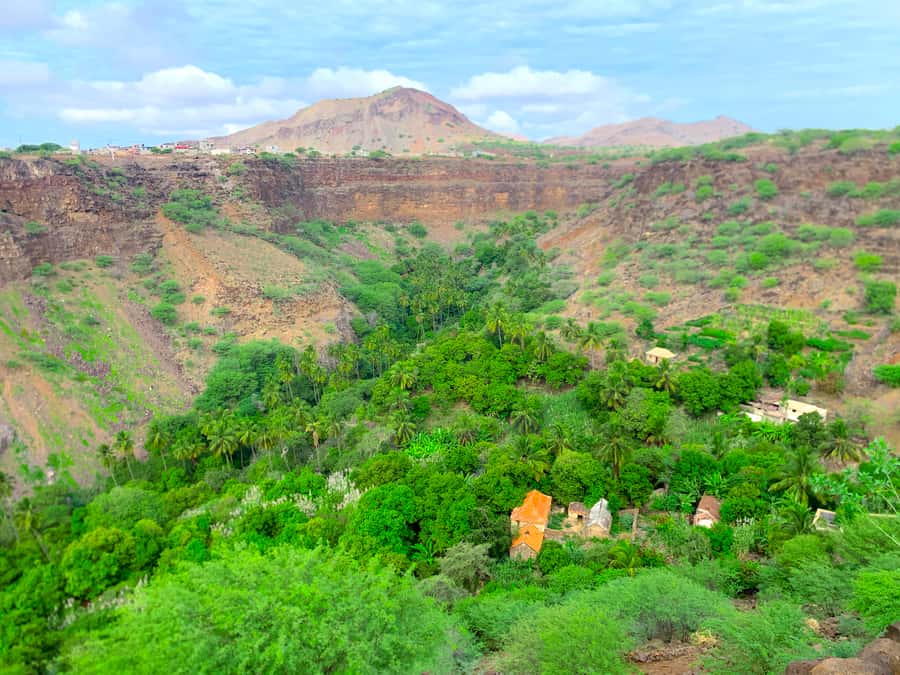
At the local distillery, the focus shifts from scenery to work. Sugar cane grown in nearby fields becomes the link between agriculture and rum production. You have the opportunity to see this process in a small, local setting and meet people connected to the farms.
This stop gives the walk a sense of place. Instead of treating the valley as a green backdrop, it shows how residents use the land. Cane, fruit trees, and root crops are not decorative details. They are part of the island’s food and income systems.
Do not expect a large visitor center or a polished factory tour. The appeal is the modest scale and direct connection with local farmers. If you are interested in how a destination functions beyond its monuments, this may be one of the most rewarding parts of the morning.
The distillery stop also helps break up the walking. You can pause, listen, and take in the setting before continuing toward Cidade Velha. Bring water anyway. Water, a hat, sunscreen, and sound footwear are specifically recommended, and the valley can feel warm even when the walk itself is not technically difficult.
Cidade Velha’s churches and streets
After the valley, transportation takes you to Cidade Velha. This old settlement is the cultural counterpoint to the trek, and the sequence works well: first you see the island’s rural interior, then you examine the colonial port that shaped its place in Atlantic history.
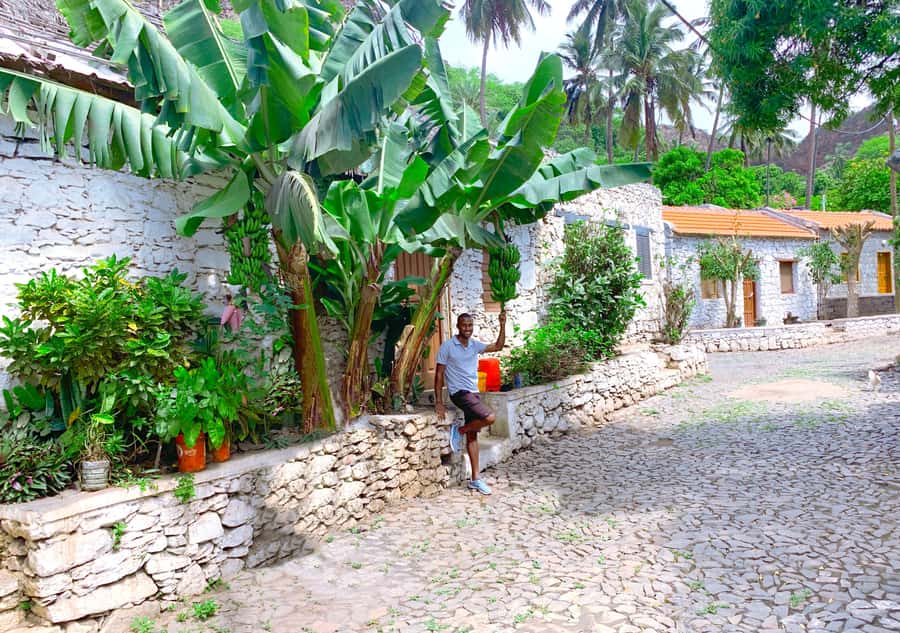
The first stops include the São Francisco Convent, Banana Street, and Nossa Senhora do Rosário church. Each adds a different layer. The convent points to religious life and colonial power. Banana Street offers a surviving piece of the old town’s layout. Nossa Senhora do Rosário church is especially important as one of the town’s historic religious buildings.
Your guide is central here. The stones alone cannot explain the trade routes, power struggles, and forced movement of people that passed through this place. Past guide names include Katia, Mario, Ivana, Soraya, and Riccardo. The feedback attached to these guides repeatedly highlights warmth, clear explanations, and strong knowledge of Cape Verdean history and local sites.
The language choice is practical. Tours can be led in English, French, Portuguese, or Spanish. If you are booking for a mixed-language party, confirm the language you need before paying, especially if historical detail is a priority.
More Cidade Velha heritage visits:
- Praia & Cidade Velha: Guided City Tour
★ 4.8 · 80 reviews - From Praia: Cidade Velha, Tarrafal & East Side Island Tour
★ 4.8 · 23 reviews - Like Locals: Praia and Cidade Velha Tour + Local Pontxi Tasting
★ 5.0 · 19 reviews - Santiago Island: 4-Hour Calabaceira Valley Hike & Guided Tour to Cidade Velha
★ 5.0 · 18 reviews
The slave market and cathedral ruins
The former slave market is one of the most important and difficult stops in Cidade Velha. The tour presents it as part of the town’s history, not as a detached monument. That context matters because Cidade Velha grew through Atlantic trade, and slavery was central to that system.
You should expect this part of the visit to be serious rather than entertaining. The guide’s explanation can help you understand how the town operated and why its surviving buildings matter. I value this stop because it keeps the heritage visit honest. The town is beautiful, but its story is not comfortable.
The ruins of Sé Catedral continue that lesson. What remains gives you a sense of the scale and ambition of the old settlement, while the missing sections remind you that buildings and empires do not last unchanged. The stop is brief enough to fit the half-day schedule, but it adds weight to the visit.
Lunch beside the sea
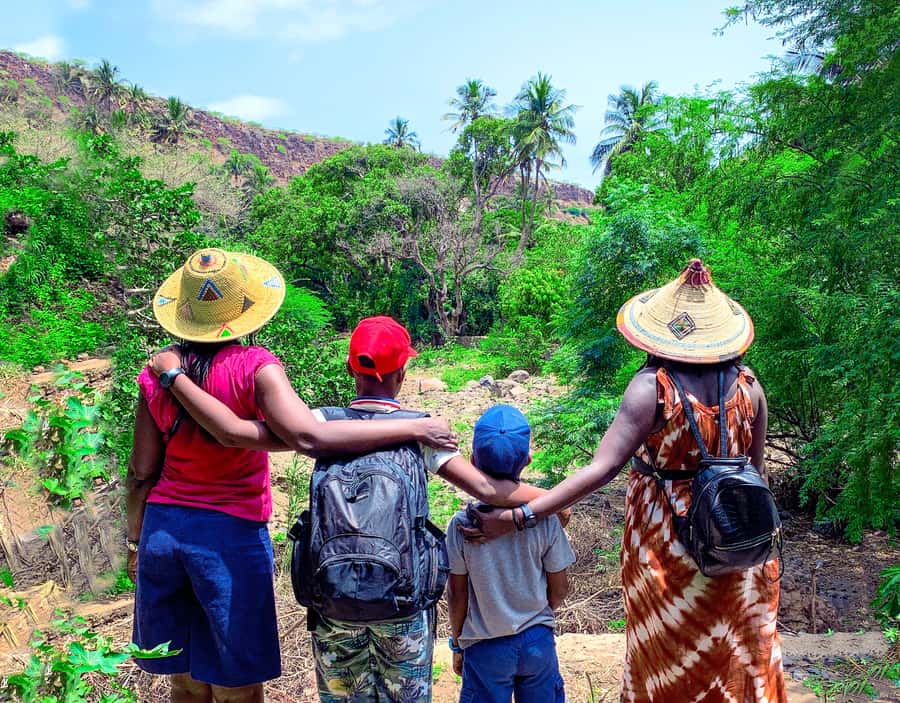
The itinerary allows a lunch break at a typical seafront restaurant. Lunch is not included in the $82 price, so you should budget separately for the meal.
This is a sensible pause after the walk and before the fortress visit. A meal by the water gives you time to rest, take stock, and enjoy local food without rushing from one monument to the next. The exact dishes and cost are not specified, so ask your guide what is available and how long the break will be.
Because the tour is sold as four hours, lunch may feel fairly brisk if every stop runs to schedule. If your priority is a leisurely meal, a private tour may give you more flexibility, but you should confirm the timing with the operator.
São Filipe Fortress and the final view
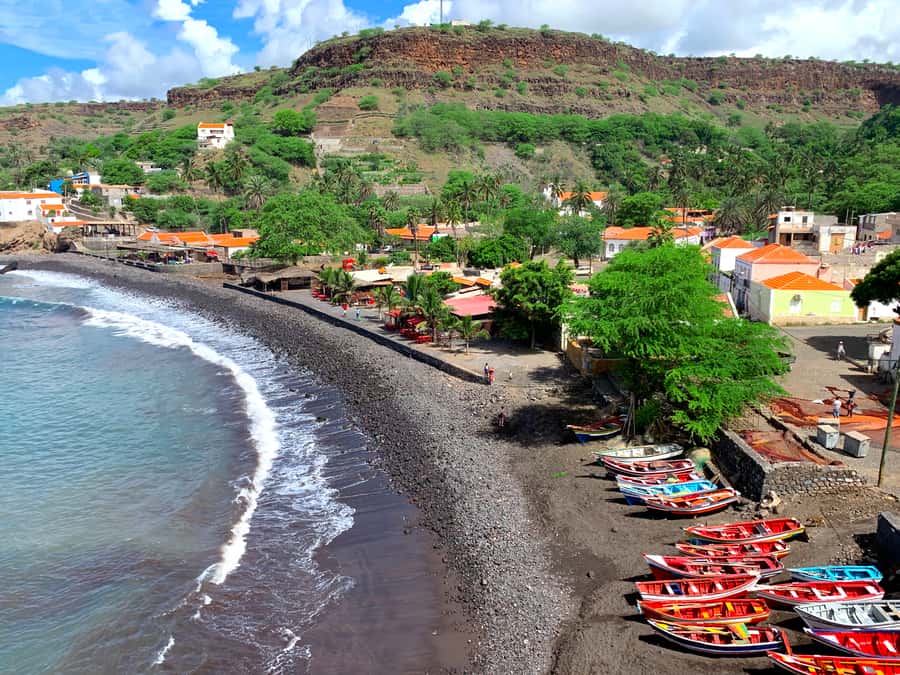
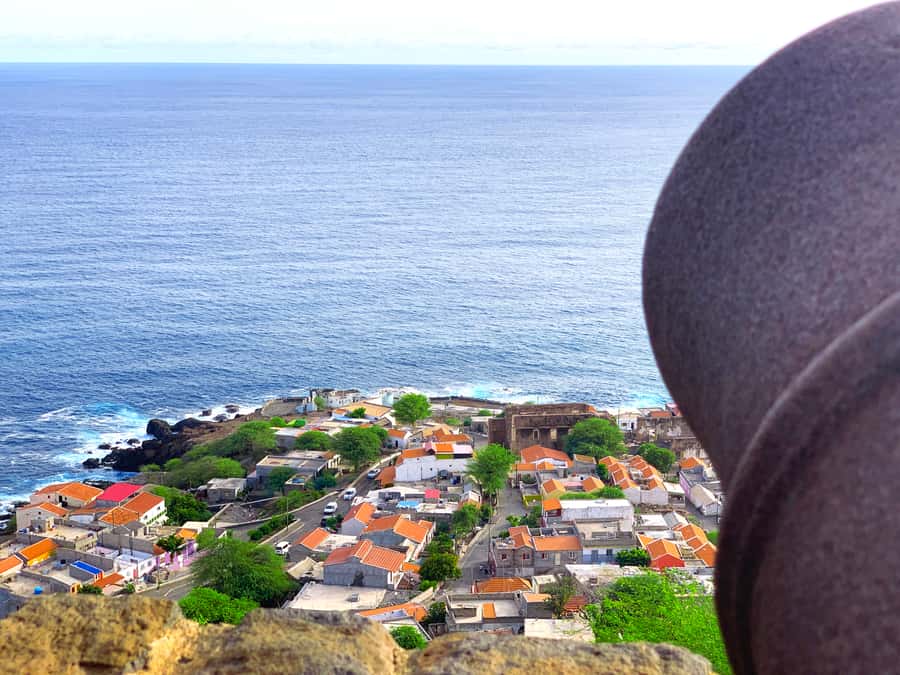
The last major stop is the Royal Fortress of São Filipe. Set above the old town, it offers a broad view over Cidade Velha and explains the defensive system built to protect the settlement from pirates.
This is where the town’s position makes practical sense. From above, you can see why a fortress was placed there and how the site helped guard the port. The view also ties the day together: valley, town, coastline, and old defenses become one connected story.
The fortress entrance costs €5 and is not included. Bring the cash. It is an easy expense to overlook when the tour price already covers transport, guide services, and insurance.
The route finishes with drop-off at your Praia accommodation. That makes the experience efficient for a short stay, particularly if you want both nature and heritage without hiring a car or coordinating several separate rides.
Is $82 good value?
At $82 per person, the tour is not simply a hike. The price includes hotel pickup and drop-off, transportation, a guide, and liability insurance. It also combines a rural trek, a rum-making stop, a seafront lunch break, and a guided visit to the main historic sights in Cidade Velha.
That is fair value if you want an organized day and would otherwise need separate transport to Calabaceira and Cidade Velha. You are paying for logistics as much as for entry into the sites. The €5 fortress ticket and lunch remain extra.
A shared group option can keep the price reasonable, but it has one important condition: at least two participants are needed. If that minimum is not met, the operator can suggest another date, charge an additional fee for a private departure, or cancel with a full refund.
A private or small-group booking costs more in many cases, but it may suit you if your party includes older walkers, if you want to ask many questions, or if you need a steadier pace. The reported eight-hour outing is a reminder to clarify the expected schedule and group makeup before setting up other plans.
Who should book this Santiago outing?
I would choose this tour if you want a balanced introduction to Santiago rather than a pure city tour or a demanding mountain hike. It suits reasonably active visitors who can manage a downhill trail with a narrow, tilted opening and then walk around historic streets and fortress grounds.
It is especially useful for first-time visitors staying in Praia. You get countryside, farming, local production, colonial architecture, slavery history, and a high viewpoint in one arranged outing.
I would think twice if you have mobility limitations, fragile knees, or trouble on uneven ground. The experience is specifically not suitable for people with mobility impairments, and the word easy should not be read as flat or effortless.
Bring water, a hat, sunscreen, hiking trousers, sturdy footwear, and €5 for São Filipe Fortress. Confirm pickup details, language, and the expected end time. The current score is 4.8 from 49 ratings, and the strongest pattern is clear: guides such as Mario, Katia, Ivana, Soraya, and Riccardo make the day more rewarding through friendly explanations and local insight.
Should you book it?
Book it if you want Santiago’s nature and history in one compact plan, and if a downhill walk is comfortable for you. The Calabaceira Valley is the unusual part, while Cidade Velha supplies the essential historical context.
Skip it in favor of a gentler outing if you need level paths or a firm four-hour finish. For everyone else, this is a strong-value way to see the island beyond Praia, provided you pack properly and allow some time flexibility.
FAQ
How long does the tour last?
The stated duration is four hours. The trek itself is described as about three hours, while the trail information lists roughly two hours of actual walking. One reported outing lasted almost eight hours, so you should allow extra time.
Where does pickup take place?
Pickup and drop-off are provided at your hotel in Praia. Wait in the lobby 10 minutes before the scheduled pickup time, and look for a driver holding a sign with your last name.
How far is the trail?
The trail distance is approximately 5 km. It is a one-way route from the upper part of Calabaceira Valley down toward the lower section.
Is the hike difficult?
It is rated easy, with very little elevation gain and about 186 meters of descent. However, the beginning is narrow with a noticeable tilt, and some sections can include boulders, so proper footwear is important.
Is the tour suitable for people with mobility impairments?
No. The experience is specifically listed as unsuitable for people with mobility impairments.
Which languages are available?
The live guide may lead the tour in English, French, Portuguese, or Spanish.
Is lunch included?
No. Lunch is taken at a typical seafront restaurant in Cidade Velha, but the meal is paid for separately.
Is the São Filipe Fortress entrance included?
No. The entrance fee is €5, so bring that amount with you.
Can I book a private tour?
Yes. The experience is available as a shared group, private tour, or small-group option. The shared group requires at least two participants.
More Hiking Tours in Praia
- Serra Malagueta Natural Park Hike & Relaxing Swim at Tarrafal Beach
★ 5.0 · 30 reviews - Serra Malagueta Natural Park: Hike to Gongon Valley & Lunch
★ 4.8 · 22 reviews - Santiago: Trek from Serra Malagueta to Rabelados Community
★ 5.0 · 16 reviews - Hiking: Monte Tchota Natural Park – Pico D’Antónia (1394m) – Longueira
★ 5.0 · 13 reviews
Just added around Praia
- Praia: Plateau and Cidade Velha Guided Tour★ 5.0 · 3 reviews
- Praia City Tours★ 3.4 · 3 reviews
- Best of Santiago Island: Cidade Velha, Workshop & Tarrafal Beach Tour★ 4.5 · 3 reviews
- Cape Verde: Best Hikking Trails of Santiago Island – 6 Days★ 5.0 · 3 reviews
- From Praia: Full-Day Guided Fogo Island Tour★ 4.2 · 3 reviews
- Tarrafal Bay Boat Trip and Beach Day★ 4.4 · 3 reviews
- Hiking Águas Belas Cave★ 4.5 · 3 reviews
- Santiago Island: Private Airport Transfer to Praia or Vice Versa★ 5.0 · 3 reviews
Santiago Tours, compared.
Santiago Island Tour with Tastings and Tarrafal Beach
Read our review →
Santiago: Landscapes, Street Art, and Markets Day Trip
Read our review →
From Port of Praia: Island Tour for Cruise Ship passengers
Read our review →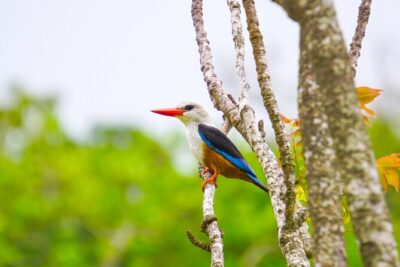
Santiago Island Tour: Meet with a Local Family & Tarrafal Beach
Read our review →
Island tour with German-speaking guide for cruise guests
Read our review →

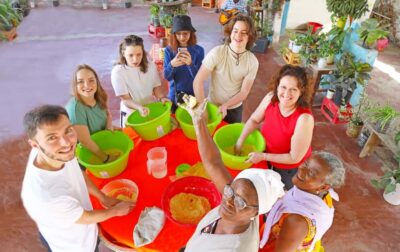
From Praia: Banana Plantation Tour and Cuscuz Workshop
Read our review →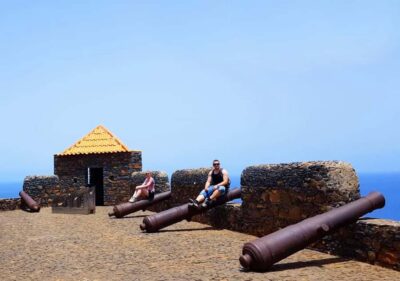
Santiago Island: Highlights of Cidade Velha with Local Guide
Read our review →Browse the lists this tour appears in