
Reviewed · SANTIAGO TOURS
The origen of Capeverdean People
The most important part of this two-hour outing is its point of view: Cape Verdean identity began with African people, not only with European colonial power. You visit Cidade Velha, the old town tied to the slave trade, while learning how people from Senegal, Guinea-Bissau, and Gambia helped shape the nation’s language, music, appearance, and customs.
I like the Afrocentrist focus, which gives African communities their proper place in the story. I also like the practical format: hotel pickup, a 20-minute drive, a small group capped at seven, and a guide who can speak English, French, or Portuguese.
The main consideration is that this is a compact historical tour, not a full-day exploration of Santiago. Its interpretation also follows a clear African-centered approach, so you should book it if you want that emphasis rather than a broad, evenly weighted survey of every period in Cape Verdean history.
Key points to know before you book
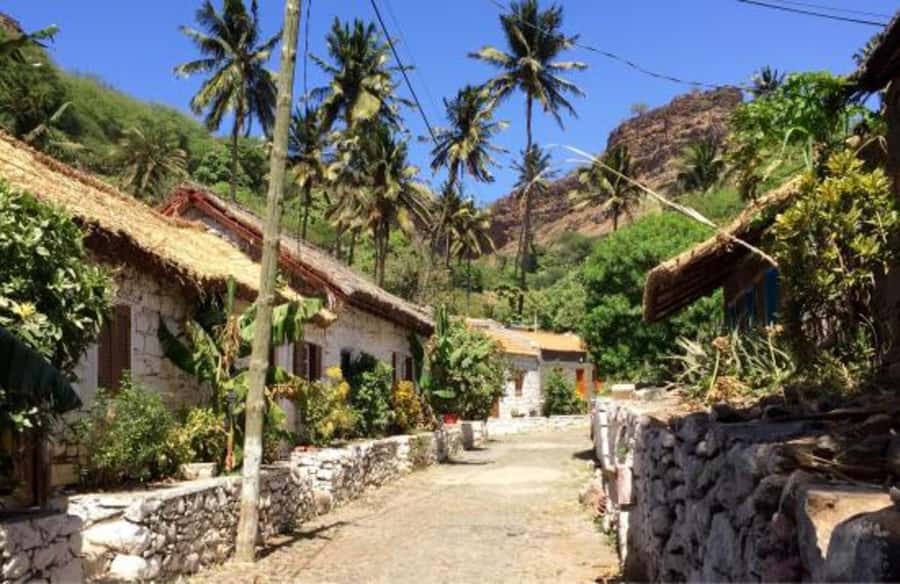
- Cidade Velha is the main setting: Visit the old town founded by Africans and Europeans, now recognized as a World Heritage site.
- African origins come first: Learn about people from Senegal, Guinea-Bissau, and Gambia and their role in forming Cape Verdean society.
- The monuments carry difficult history: The surviving buildings help explain Cidade Velha’s place in the Atlantic slave trade.
- A small group keeps the visit personal: No more than seven participants are included.
- Language choice is useful: Live guiding is available in English, French, and Portuguese.
- The tour earns strong marks for explanation: French-speaking guide service and clear historical storytelling received especially warm praise, with Antonio named as one guide.
Why Cape Verdean origins are the heart of this tour
Many introductions to Cape Verde begin with Portuguese exploration and colonial rule. This experience shifts the starting point. It asks you to look at the African men and women brought from the mainland, the communities they formed, and the culture that grew from African and European contact.
That change in emphasis matters. Cape Verdean culture is not presented as a simple European creation in an African setting. Instead, the tour connects African ancestry with the country’s skin colors, dances, customs, and Krioulo dialect.
The tour describes people arriving from Senegal, Guinea-Bissau, and Gambia. These origins help you see Cape Verde as part of a wider West African world, even though the islands later developed their own identity.
I find this especially useful if you have already visited other former Portuguese colonies or Atlantic islands and want to understand what makes Cape Verde different. The story is about forced migration, colonial power, adaptation, and the creation of a new Krioulo nation.
The Afrocentrist approach is direct. It gives weight to the contribution of black men and women who are often reduced to a footnote in colonial narratives. At the same time, you should know what you are booking: this tour is designed to highlight African influence rather than provide a completely neutral timeline of every political and social force in Cape Verde.
A few more Praia half-days to weigh up
- Santiago: Landscapes, Street Art, and Markets Day Trip
★ 4.8 · 316 reviews - From Port of Praia: Island Tour for Cruise Ship passengers
★ 4.5 · 190 reviews - Praia & Cidade Velha: Guided City Tour
★ 4.8 · 80 reviews
The 20-minute drive from your hotel to Cidade Velha
The experience begins with pickup at your hotel on Santiago Island. From there, you ride about 20 minutes by car to Cidade Velha, making this an easy addition to a stay in the area.
That short transfer is one of the tour’s practical strengths. You do not need to arrange a separate taxi or work out how to reach the old town on your own. Transport back to your accommodation is also included, so the two-hour schedule is built around the historical visit rather than the logistics of getting there.
The ride also gives the guide a natural chance to introduce the subject before you begin walking among the monuments. The supplied information does not specify the vehicle type or exact pickup window, so you should check the available starting times when booking.
The small-group limit of seven is worth noting. A group this size should make it easier to hear the guide and ask questions than it would be on a large coach outing. It also suits a subject that benefits from explanation, since the meaning of a monument is not always obvious from its walls alone.
Cidade Velha and the places that remain

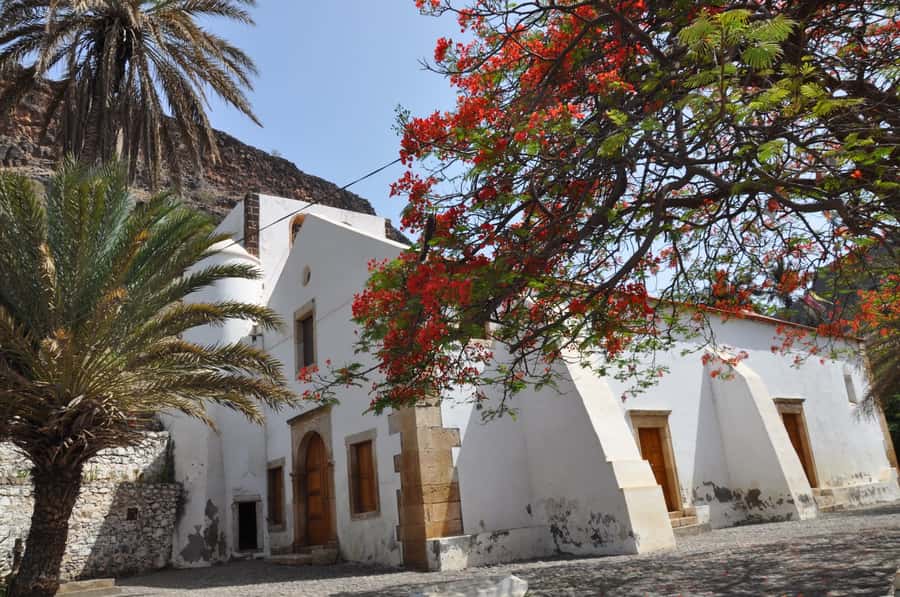
Cidade Velha is the center of the visit. Founded by Africans and Europeans, the old town is closely linked with the Atlantic slave trade and the colonial expansion that followed the discovery of the New World.
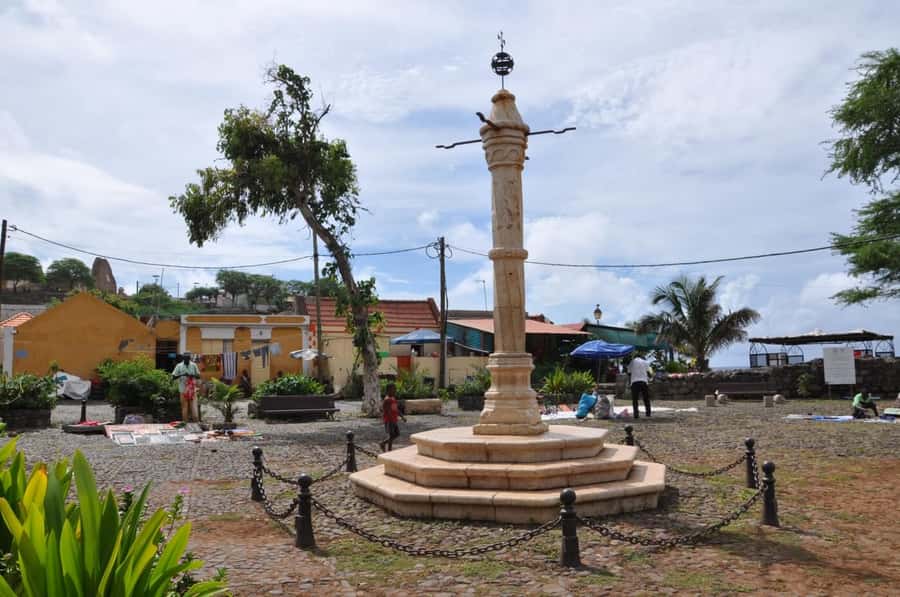
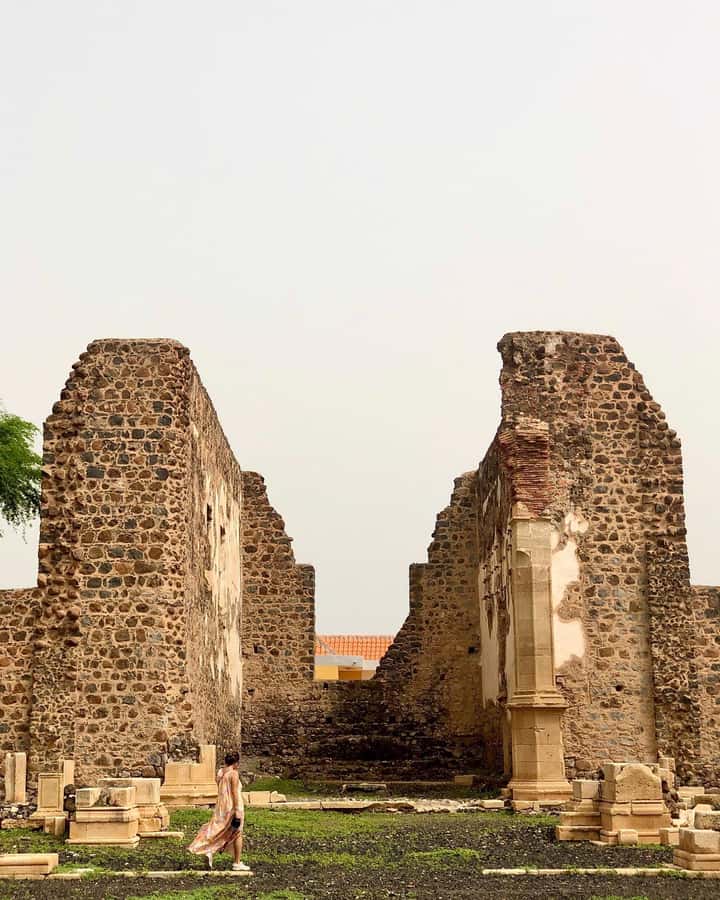
You visit the main historical monuments that remain from the ancient city. The available details do not name each monument, so I would not promise a fixed list of churches, fortifications, or civic buildings. What is clear is that the tour uses these surviving places to explain how the town functioned and why it became important.
This is where the tour’s historical purpose comes alive. A monument is not treated simply as an attractive old building. It becomes evidence of the people, trade, power, and suffering connected with Cidade Velha.
The setting also helps you connect the broad story to a real place. You are not only hearing about movement across the Atlantic. You are standing in an old settlement where African and European histories met, often under harsh and unequal conditions.
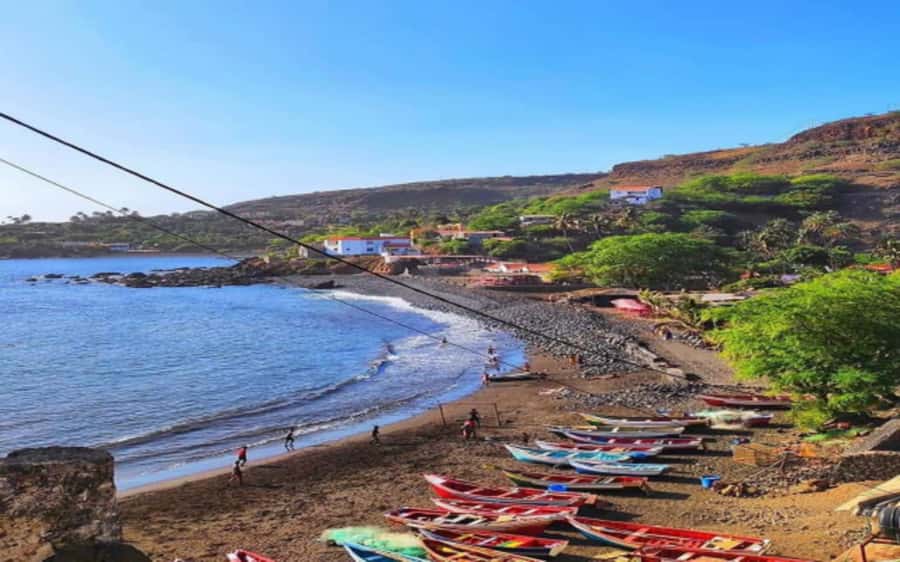
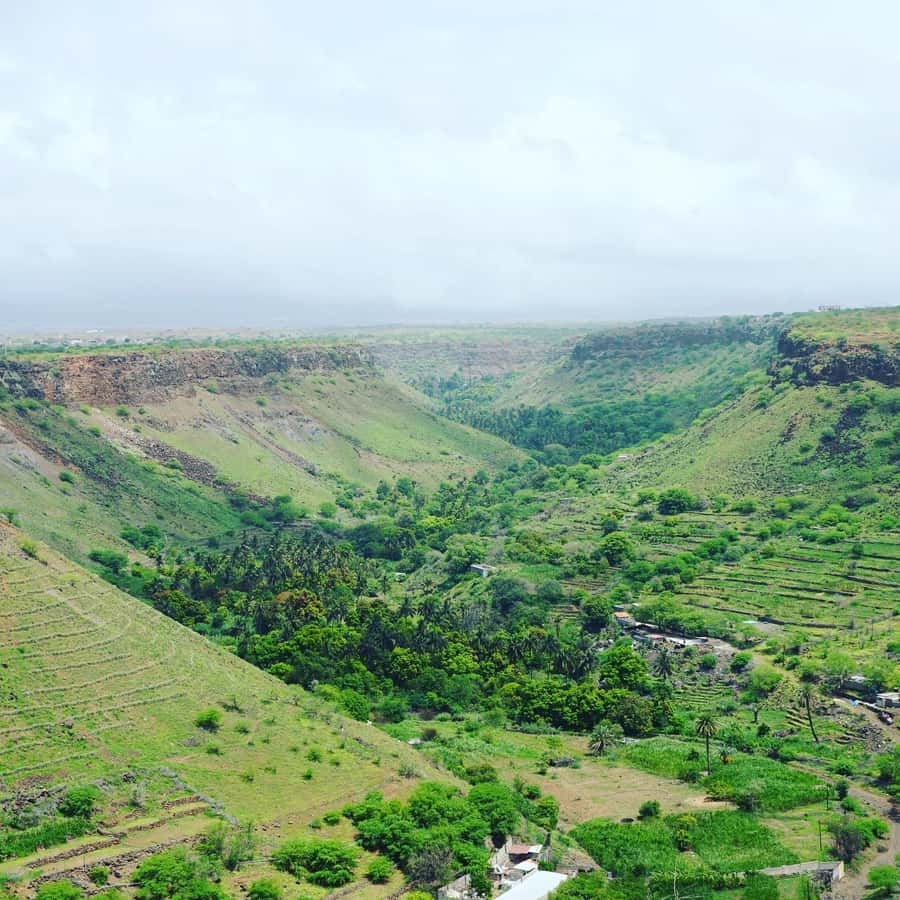
The visit includes the surrounding scenery as well. A French-language booking described discovering beautiful views of the country during the outing, so you should expect some visual appeal beyond the monuments themselves. Still, the core purpose remains historical interpretation, not a dedicated sightseeing drive.
How African culture shaped Cape Verdean life

The strongest part of the tour is the connection between ancestry and everyday culture. You learn how African people helped shape the country’s identity through language, dance, appearance, and social traditions.
The reference to Krioulo is especially important. The experience links the dialect spoken in Cape Verde today with the meeting of African and European communities. That gives you a useful way to think about language: not simply as a colonial leftover, but as something formed through contact and local life.
The same idea applies to dance and skin colors. The tour points to visible and expressive parts of culture that can be understood through African roots. This makes the subject accessible even if you are not a specialist in colonial history.
I appreciate that the story reaches beyond dates and rulers. A list of colonial events can tell you when something happened, but it does not always explain how ordinary people created a culture under those conditions. Here, the focus is on what survived, changed, and became distinctly Cape Verdean.
You should also allow yourself time to listen carefully. The tour lasts only two hours, and it covers migration, slavery, colonialism, monuments, culture, language, and national identity. That is a lot of ground. The experience works best if you treat it as a focused introduction rather than the final word on Cape Verdean history.
Same island, a completely different day out:
- Serra Malagueta: Principal Valley Hike & Lunch with Locals
★ 4.7 · 64 reviews - Praia: Baobab Mysterious Tree, Green Valley & Old City Hike
★ 4.8 · 53 reviews - Santiago: Calabaceira Valley Trek & Visit to Cidade Velha
★ 4.8 · 49 reviews - From Praia: Boat Trip, Snorkeling, Cave & BBQ on the Beach
★ 4.6 · 45 reviews
The guide makes the difference
This tour depends heavily on the person leading it. The guide is expected to explain the history of Cape Verdean people and interpret the monuments, so clear storytelling matters as much as transportation or timing.
The available guide languages are English, French, and Portuguese. That is useful on Santiago Island, especially if you want to discuss a sensitive subject in the language in which you can follow historical detail most comfortably.
Antonio led at least one of the documented outings, taking a guest through Cidade Velha with a particular command of the historical material. French-speaking service was also specifically praised, with the guide explaining the history of the Cape Verdean people clearly and combining it with views of the country.
The feedback points to two strengths I would value here: strong language ability and a clear understanding of Cape Verde’s past. One German-language booking also highlighted the guide’s knowledge of Cape Verde and its history.
Because the group is limited to seven, you have a better chance of making the visit conversational. The tour description does not promise a private tour, so do not assume you will have the guide entirely to yourself. But the small format should feel more personal than a large group visit.
What the two-hour schedule can and cannot do
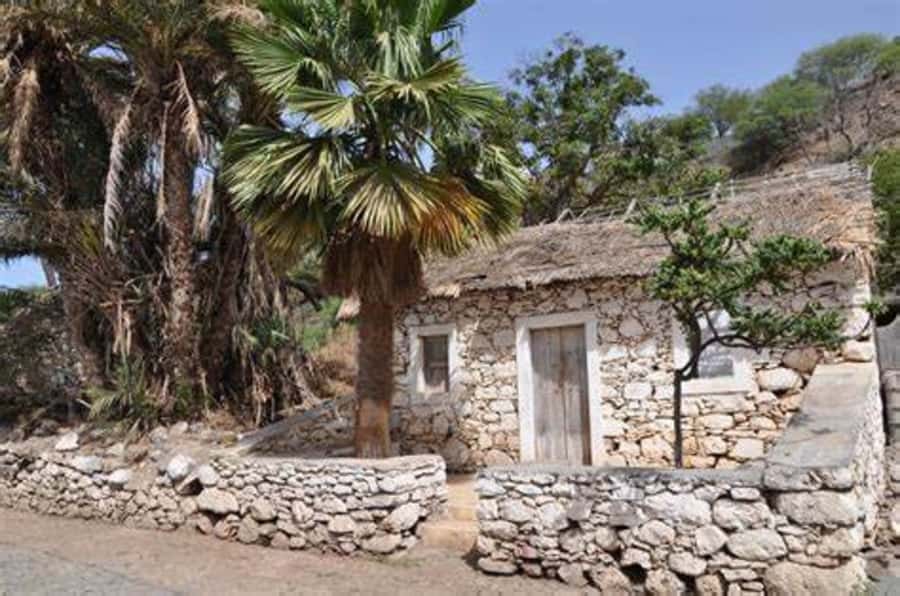
Two hours is enough for a focused introduction to Cidade Velha. You receive hotel pickup, the short drive, an explanation of the old town and its monuments, and return transport to your accommodation.
It is not enough for a slow, exhaustive study of every surviving site or every chapter of Cape Verdean history. You may want to add another visit to Cidade Velha or a museum on your own if you are especially interested in the subject.
The pace will also depend on the group and the guide. Since the itinerary is described broadly as visiting the main historical monuments, the exact amount of time at each place may vary. Ask questions when you can, particularly about the African communities connected with each site.
I like the fact that the tour does not waste much time on transport. The 20-minute drive each way leaves most of the experience for the old town. For someone with a tight Santiago schedule, that makes the tour a sensible way to gain historical context without giving up half a day.
The short duration may also suit you if you are traveling with limited energy or prefer one clear theme at a time. If you want a broad island tour, however, this will feel too narrow. It is about origins and Cidade Velha, not all of Santiago.
Is $64 a fair price?
At $64 per person, the value comes from the combination of transport, guiding, and a focused visit to an important historical site. Hotel pickup and drop-off remove the need to pay separately for a taxi, while the guide provides the interpretation that makes the monuments meaningful.
The small-group limit adds to the value. You are not paying only for a ride to an old town. You are paying for a guide-led explanation in a group of no more than seven, with language support in English, French, or Portuguese.
I would consider the price fair if you want a guided historical experience and are staying close enough for the stated transfer arrangement. It is less compelling if you only want to see the buildings quickly and do not need a guide.
The price also reflects the tour’s special subject. A standard sightseeing visit may show you the old town, but this experience is built around the contribution of African people to Cape Verdean identity. If that question matters to you, the focused interpretation is the main reason to pay for this tour.
Free cancellation up to 24 hours before the start and the option to reserve now and pay later make the booking less rigid. Starting times depend on availability, so check the date and departure hour before you confirm.
Who should book this experience?
I would recommend this tour to you if you want historical context rather than a quick photo stop. It fits first-time visitors who want an introduction to Cape Verdean origins, as well as returning visitors who feel that the African side of the story deserves more attention.
It is also a good match for anyone interested in colonial history, the Atlantic slave trade, African diaspora communities, language formation, or cultural identity. The tour connects all of these subjects in one compact visit.
French-speaking participants have a particularly useful option, since the guide service can be delivered in French and the language ability received specific praise. Portuguese and English speakers can also book in their preferred language.
I would hesitate only if you prefer a longer, more general tour of Santiago, want a detailed architectural itinerary, or dislike tours with a clearly stated interpretive position. The Afrocentrist approach is a strength for the right audience, but it is also the defining feature of the experience.
My call: book it for context, not just sightseeing
I would book this tour if I wanted to understand how African communities shaped Cape Verdean culture and how Cidade Velha fits into that story. The combination of a small group, hotel transport, multilingual guiding, and a two-hour schedule makes it practical.
The biggest reason to go is the focus on African contribution to the Capeverdean nation, including Krioulo language, dance, appearance, and cultural identity. The strongest guide feedback centers on clear historical explanations, French-language skill, and Antonio’s particular handling of the Cidade Velha visit.
Book it with realistic expectations. You will get a compact, African-centered historical introduction, not a full island circuit or an exhaustive monument-by-monument study. For that specific purpose, $64 is a reasonable price and the tour offers a useful way to see Cidade Velha with more meaning.
FAQ
Where does the tour take place?
The experience takes place on Santiago Island in Cape Verde, with the main visit in Cidade Velha.
How long does the experience last?
The tour lasts two hours, including the visit to Cidade Velha and the return to your accommodation.
Is hotel pickup included?
Yes. Hotel pickup and drop-off are included, along with transportation during the experience.
What languages can the guide speak?
The live tour guide is available in English, French, and Portuguese.
How many people are in the group?
The tour is a small-group experience limited to seven participants.
What is the main subject of the tour?
The tour explains the African origins of Cape Verdean people and the contribution of communities from Senegal, Guinea-Bissau, and Gambia to Cape Verdean culture and identity.
Can I cancel for a full refund?
Yes. You can cancel up to 24 hours in advance for a full refund. You can also reserve now and pay later.
Just added around Praia
- Praia: Plateau and Cidade Velha Guided Tour★ 5.0 · 3 reviews
- Praia City Tours★ 3.4 · 3 reviews
- Best of Santiago Island: Cidade Velha, Workshop & Tarrafal Beach Tour★ 4.5 · 3 reviews
- Cape Verde: Best Hikking Trails of Santiago Island – 6 Days★ 5.0 · 3 reviews
- From Praia: Full-Day Guided Fogo Island Tour★ 4.2 · 3 reviews
- Tarrafal Bay Boat Trip and Beach Day★ 4.4 · 3 reviews
- Hiking Águas Belas Cave★ 4.5 · 3 reviews
- Santiago Island: Private Airport Transfer to Praia or Vice Versa★ 5.0 · 3 reviews
Santiago Tours, compared.
Santiago Island Tour with Tastings and Tarrafal Beach
Read our review →
Santiago: Landscapes, Street Art, and Markets Day Trip
Read our review →
From Port of Praia: Island Tour for Cruise Ship passengers
Read our review →
Santiago Island Tour: Meet with a Local Family & Tarrafal Beach
Read our review →
Island tour with German-speaking guide for cruise guests
Read our review →

From Praia: Banana Plantation Tour and Cuscuz Workshop
Read our review →
Santiago Island: Highlights of Cidade Velha with Local Guide
Read our review →Browse the lists this tour appears in